Padel Court Maintenance Mistakes to Avoid

Maintaining a padel court doesn’t have to be complicated, but small mistakes can shorten the life of the court, increase repair costs, and create safety concerns for players. Many maintenance problems don’t happen because a court is poorly built. They happen because routine care is delayed, inspections are skipped, or small issues are ignored until they become larger repairs. The good news is that most common mistakes are easy to avoid. This guide explains the maintenance errors facility owners make most often, why they matter, and what you should do instead. Mistake #1: Waiting Until the Court Looks Dirty A court doesn’t have to look dirty before it needs cleaning. Dust, sand, leaves, pollen, and other debris begin affecting the playing surface long before they’re obvious. What to do instead Create a regular cleaning schedule based on: Routine cleaning is quicker and less expensive than deep cleaning after months of neglect. Sportsfield Specialties recommends making cleaning part of every maintenance routine rather than treating it as an occasional task. Mistake #2: Skipping Routine Inspections Some facility managers assume they’ll notice problems during daily use. Unfortunately, many issues develop gradually. Loose hardware, damaged coatings, drainage problems, and worn turf may go unnoticed until repairs become more expensive. What to do instead Follow a written inspection schedule. Inspect: Document what you find during every inspection. Mistake #3: Ignoring Small Repairs Small maintenance issues rarely stay small. A loose bolt can affect nearby components. A clogged drain can lead to standing water. A small section of worn turf can continue to spread. What to do instead Address repairs as soon as practical. Early repairs often: Preventive maintenance almost always costs less than emergency repairs. Mistake #4: Forgetting About Drainage Drainage is easy to overlook because much of the system isn’t visible. When drains become blocked, water remains on the court longer and can affect both the playing surface and surrounding structure. What to do instead Inspect drainage: Keeping drains clear is one of the simplest ways to protect an outdoor court. Mistake #5: Using the Wrong Cleaning Products Not every cleaning product is suitable for a padel court. Harsh chemicals or abrasive tools may damage artificial turf, scratch tempered glass, or affect protective coatings. What to do instead Use cleaning products recommended for: If you’re unsure, consult the manufacturer’s maintenance recommendations before trying a new product. Mistake #6: Forgetting the Accessories The court itself isn’t the only equipment that needs maintenance. Accessories also require regular inspections. Check: Sportsfield Specialties manufactures locking gates and court padding designed for long-term durability, but routine inspections help ensure every accessory continues performing as intended. Mistake #7: Not Training Staff Even the best maintenance program depends on the people performing it. If staff members don’t know what to look for, important problems can be missed. What to do instead Train employees to recognize: Simple training improves consistency and helps facilities identify issues sooner. Mistake #8: Not Keeping Maintenance Records Without documentation, it’s difficult to identify patterns. You may not notice that the same gate requires frequent repairs or that one court experiences faster turf wear than the others. What to do instead Maintain records that include: Good records help improve future maintenance planning. Mistake #9: Waiting Too Long to Replace Worn Components Some components are expected to wear over time. Nets, court padding, hardware, and sections of artificial turf may eventually require replacement. Delaying replacement too long can affect: What to do instead Replace components based on their condition, not simply their age. Routine inspections help determine the right time for replacement. Learn more: When Should You Repair or Replace a Padel Court? Mistake #10: Treating Maintenance as an Afterthought Maintenance shouldn’t begin after something breaks. The most successful facilities build maintenance into their daily operations. A written plan, regular inspections, consistent cleaning, and prompt repairs help protect the court throughout its life. Sportsfield Specialties works with clubs, schools, municipalities, contractors, and private facilities to provide durable panoramic padel court systems, locking gates, court padding, and related accessories. Combining quality court systems with a proactive maintenance program helps facilities provide reliable playing conditions while reducing long-term ownership costs. Learn more: The Essential Guide to Padel Court Maintenance
When Should You Repair or Replace a Padel Court
Every padel court will eventually need repairs. The challenge is knowing when a simple repair is enough and when replacing part of the court, or the entire court, is the better long-term decision. Minor wear is a normal part of owning a sports facility. Artificial turf wears down, nets need replacing, hardware loosens, and protective finishes age over time. These issues can usually be repaired without affecting the rest of the court. More significant problems, such as structural damage or repeated failures, may indicate that replacement is the more practical option. This guide explains how to evaluate the condition of a padel court and determine whether repair or replacement makes the most sense. Start With a Complete Inspection Before deciding on any repair, inspect the entire court. A problem that appears minor may actually be part of a larger issue. Review the condition of the: Document any damage and compare it with previous inspection records. Sportsfield Specialties recommends performing routine inspections throughout the year so changes in court condition can be tracked over time. Problems That Can Usually Be Repaired Many maintenance issues are expected during the life of a court and can often be corrected without replacing major components. Common repairs include: Worn artificial turf in small areas Localized wear can often be repaired before it spreads. Loose hardware Bolts, brackets, and fasteners may loosen over time because of vibration and normal use. Net replacement A worn or damaged net is one of the simplest repairs. Gate adjustments Many gate problems involve hinge adjustments, latch replacement, or minor alignment corrections. Court padding replacement Padding that has faded, torn, or compressed can usually be replaced without affecting the court structure. Sportsfield Specialties manufactures replacement court padding and locking gate systems that help facilities maintain safe, professional-looking courts. Signs That Larger Repairs May Be Needed Some problems require more than routine maintenance. Watch for: When several issues appear at the same time, it’s worth evaluating the overall condition of the court rather than repairing each problem individually. When Replacement May Be the Better Option Replacement should be considered when repairs no longer provide a practical long-term solution. Examples include: The playing surface has reached the end of its service life Artificial turf gradually loses performance after years of use. If large sections are worn or inconsistent, replacing the surface may provide a better playing experience than multiple spot repairs. Structural damage is significant The steel structure supports the entire court.Extensive corrosion, impact damage, or structural movement should be evaluated by qualified professionals. Glass panels are repeatedly damaged Replacing a single tempered glass panel is common. If multiple panels are damaged or mounting systems have deteriorated, a larger renovation may be appropriate. Repair costs continue to increase If maintenance expenses rise every year and repairs become more frequent, replacing aging components may reduce long-term operating costs. Factors to Consider Before Replacing a Court Replacement is a significant investment. Before making a decision, evaluate: Facilities planning expansions or renovations often choose to upgrade courts as part of a larger project. Don’t Ignore Player Safety Safety should always come first. Take the court out of service if you discover: Temporary closures may be inconvenient, but continuing to use an unsafe court creates unnecessary risk. Can Older Courts Be Modernized? In many cases, yes. Depending on the existing court and its condition, upgrades may include: Modernizing selected components can extend the useful life of a court while improving the player experience. Sportsfield Specialties offers panoramic padel court systems along with replacement accessories that can help facilities upgrade existing installations as needs change. Questions to Ask Before Making a Decision Before approving a major repair or replacement, ask: Answering these questions helps facilities make informed decisions rather than reacting to a single maintenance issue. Plan for the Full Life Cycle of Your Court Every padel court will require repairs during its life, but not every repair means it’s time for replacement.Routine maintenance, regular inspections, and timely repairs help extend the life of a court and reduce unexpected costs. When replacement does become necessary, evaluating the entire court instead of focusing on one damaged component helps ensure the investment supports your facility’s long-term goals. Sportsfield Specialties works with clubs, parks, schools, municipalities, contractors, and sports facilities to provide complete padel court systems, panoramic courts, locking gates, court padding, and replacement components that support reliable performance throughout the life of the court.
How to Create a Padel Court Maintenance Plan
A good padel court doesn’t stay in great condition by chance. It stays that way because someone follows a consistent maintenance plan. Without a schedule, small problems often go unnoticed. Dirt builds up on the playing surface. Glass becomes harder to see through. Artificial turf begins to wear unevenly. Hardware slowly loosens. Before long, those minor issues become expensive repairs or create safety concerns for players. The good news is that creating a padel court maintenance plan doesn’t have to be complicated. A simple schedule that breaks work into daily, weekly, monthly, and seasonal tasks can keep your courts looking better, playing better, and lasting longer. Whether you manage one court or an entire club, this guide walks through exactly how to build a maintenance plan that works. Why Every Padel Facility Needs a Maintenance Plan A maintenance plan gives staff clear expectations and helps prevent important tasks from being forgotten. A written schedule also helps facilities: Facilities that wait until something breaks often spend significantly more than those that perform routine preventive maintenance. Sportsfield Specialties recommends treating maintenance as part of normal facility operations instead of something that only happens when problems appear. Their padel court systems are designed for long-term durability, but every court benefits from consistent inspection and care. Step 1: Understand Your Court’s Maintenance Needs Before building a schedule, identify what needs regular attention. Most padel courts include: Each component ages differently and requires different maintenance intervals. For example: If your facility uses Sportsfield Specialties panoramic courts, panoramic glass deserves additional attention because clean, clear panels improve both the player experience and the appearance of the facility. Step 2: Create Daily Maintenance Tasks Daily maintenance is quick but makes the biggest difference over time.A daily checklist should include: Remove debris Sweep or blow away: Debris left on the court can damage turf fibers and reduce drainage. Check the net Confirm that: Inspect gates Open and close each gate. Look for: Facilities using Sportsfield Specialties locking gate systems should verify smooth operation as part of every daily inspection. Quick safety walk Walk the court before opening. Look for: Most daily inspections take less than 15 minutes per court. Step 3: Schedule Weekly Maintenance Weekly maintenance focuses on preserving playing conditions. Brush the artificial turf Brushing keeps fibers standing upright and redistributes infill. Follow the turf manufacturer’s recommendations for: Avoid aggressive brushing that could damage fibers. Clean the glass Use cleaners designed for large glass surfaces. Avoid abrasive products that may scratch the panels. Pay extra attention to: Inspect court padding If your facility uses padel court padding, check for: Replacing worn padding early helps maintain player safety. Sportsfield Specialties offers court padding designed specifically for padel installations where player protection is a priority. Step 4: Perform Monthly Inspections Monthly inspections should be more detailed than daily walkthroughs. Create a standard inspection form that includes every court component. Inspect: Steel structure Look for: Small coating repairs are much easier than repairing widespread corrosion. Glass panels Check for: Never ignore damaged tempered glass. Hardware Inspect: Tighten hardware according to manufacturer recommendations. Lighting Verify: Document everything you inspect, even when no problems are found. Inspection records help identify recurring issues over time. Step 5: Plan Seasonal Maintenance Weather affects outdoor courts throughout the year.Your maintenance schedule should adjust with the seasons. Spring Summer Fall Winter If courts remain open: Facilities in colder climates should perform a complete inspection after winter before peak playing season begins.Sportsfield Specialties can help owners understand seasonal maintenance recommendations for their specific court system. Step 6: Assign Responsibilities Even the best maintenance plan fails if nobody owns the work. Assign specific responsibilities. For example: Task Assigned To Frequency Daily inspection Facility staff Daily Turf brushing Maintenance team Weekly Glass cleaning Maintenance team Weekly Hardware inspection Facility manager Monthly Annual professional inspection Qualified contractor Yearly Avoid assuming someone will complete a task. Written assignments improve consistency. Step 7: Keep Maintenance Records Documentation helps facilities make smarter decisions. Track: Digital records make it easier to: Many successful clubs maintain one maintenance log for every court. Step 8: Know When to Call an Expert Routine maintenance handles most day-to-day needs, but some situations require professional support.Contact an experienced padel court manufacturer or installer if you notice: Addressing these issues early often prevents larger repairs later. As a manufacturer and supplier of panoramic padel courts, locking gates, court padding, and related court systems, Sportsfield Specialties can help facility owners understand maintenance best practices and determine when repairs or replacement components may be appropriate. Build a Maintenance Plan That Lasts The most effective maintenance plans are simple enough that staff actually follow them. Start with daily inspections, add weekly and monthly tasks, adjust for seasonal conditions, and document everything. Over time, those small routines help protect your investment, improve player safety, and keep your courts performing the way they were designed. If you’re planning a new padel facility or upgrading an existing one, Sportsfield Specialties can help you select durable court systems and accessories that support long-term maintenance and reliable performance.
The Essential Guide to Padel Court Maintenance
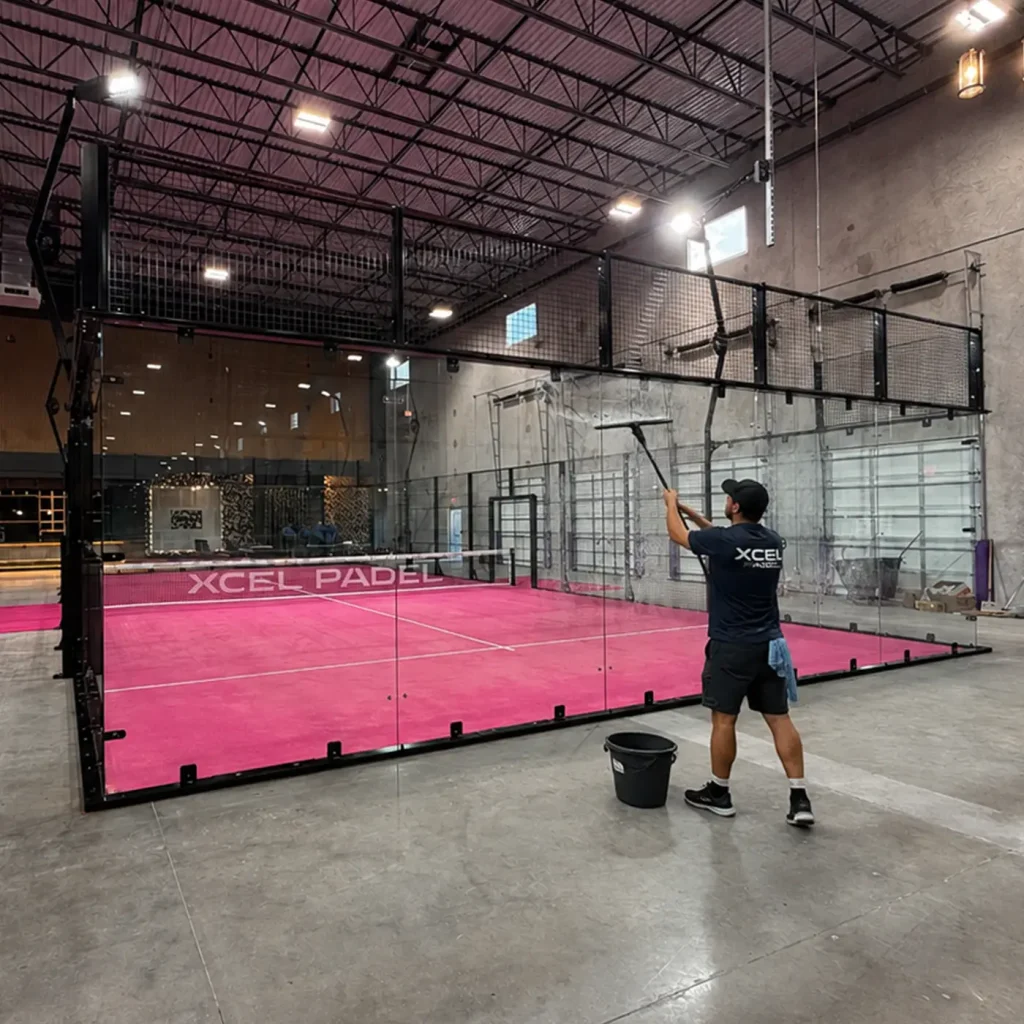
Padel is one of the fastest-growing sports in the world, and new courts are being built at clubs, parks, schools, resorts, and sports complexes every year. As more facilities invest in padel, one question becomes increasingly important: How do you keep a padel court performing at its best for years to come?
The answer starts with regular maintenance.
Two-Tier Polyboard Team Bench Color Viewer

Cut Sheets, Install Guides & Specs
Find product documentation to support planning, design, and installation across your project. Sportsfield Specialties provides cut sheets, CAD drawings, specifications, and install guides for a wide range of equipment. Whether you are working through early design or getting ready for installation, this resource makes it easier to access the information you need in one place.
Product Brochures
Browse product brochures to get a quick overview of equipment across each category. Sportsfield Specialties offers downloadable PDFs that highlight key features, options, and applications for a wide range of products. Whether you are comparing solutions or sharing information with your team, these brochures make it easy to find what you need and keep your project moving.
Product Catalogs
Browse product catalogs to get a full view of equipment across each category. Sportsfield Specialties offers downloadable PDFs that group products by sport and application, making it easier to compare options and plan your project. Whether you are in the early stages or narrowing down selections, these catalogs give you a clear look at what is available in one place.
Product Color Charts
Each of our color charts are available for download in PDF format. Color outputs may not be exactly as on these documents due to variations in screens and printers. Color approval must be based on specific colors (vinyl samples, ink samples, digital print samples, Pantone®, etc.) rather than their visual representation in these documents.
Frequently Asked Questions
Answers to the most frequently asked questions we receive covering general inquiries, customer service information, and responses to technical questions. If you don’t find the answer you’re looking for, feel free to contact your regional sales team or call 888-975-3343.